
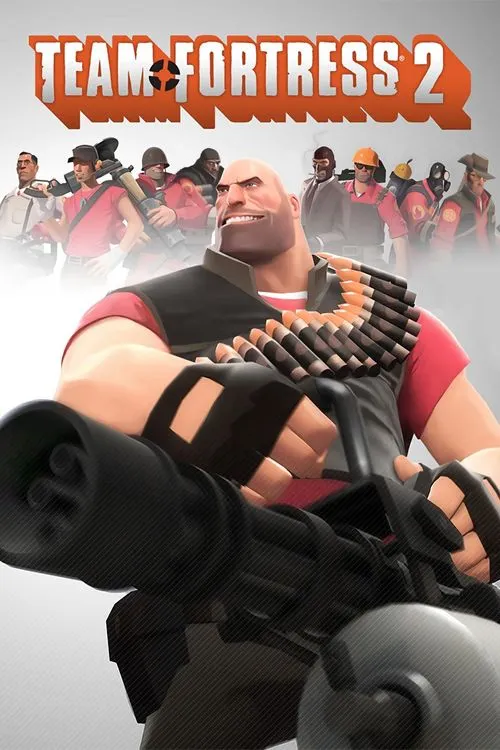
Hey folks, it’s Dan The Price Man. Let me tell you, about the greatest videogame of all time, Team Fortress 2.

Team Fortress 2 (TF2) isn’t just a game—it’s a legend. Launched on October 10, 2007, after a brutal nine-year development slog, TF2’s been kicking ass and taking names for nearly two decades.
Valve didn’t just build a shooter; they forged a chaotic, cartoonish masterpiece that’s outlived consoles, trends, and every wannabe competitor. Nine years of prototypes—gritty war sims, sci-fi flops—gave way to a vibrant class-based brawler that’s still got soul in 2025.
With over 800 updates, a comic series that’s pure gold, and a cultural footprint that spawned tools like Source Filmmaker (SFM) and fueled Garry’s Mod, TF2’s a juggernaut.
Its modding freedom lets players turn it into whatever they damn well please, while its casual-competitive balance keeps it fun for scrubs and pros alike. Overwatch tried to steal the crown, but it’s a faded memory now—TF2’s still standing tall.
TF2’s a rare breed—a game that grows with its players. It’s a playground for creativity, a proving ground for skill, and a cultural artifact that’s shaped gaming for generations. Its staying power ain’t luck; it’s design genius and community love.
I’ve logged 8,000+ hours in TF2 (I know, amateur.), pub stomps, comp clutches, modded mayhem. It’s been my rock through life’s grind—weight loss struggles, late-night shifts, you name it. TF2’s humor, freedom, and raw energy keep me coming back. I’m here to preach why it’s the king.
The Epic Saga
From Quake Mod to Valve’s Big Bet

The story starts in 1996, when Robin Walker and John Cook, dropped a bomb on the gaming world with Team Fortress, a free mod for id Software’s Quake. This introduced class-based gameplay, where players picked roles like Soldier, Medic, or Spy, each with unique weapons and abilities.
You could rocket-jump as a Soldier, heal teammates as a Medic, or backstab enemies as a Spy, all in fast-paced, team-driven battles. The mod was a hit, racking up thousands of players and spawning a cult following.
Valve, fresh off the success of Half-Life in 1998, saw the potential and scooped up Walker, Cook, and their team to build a standalone sequel: Team Fortress 2.
Valve’s plan was ambitious from the jump. They didn’t want a cheap cash-in—they wanted a game that would redefine multiplayer shooters.
Initially, TF2 was slated as an expansion pack for Half-Life, built on the GoldSrc engine, with a release targeted for late 1998.
But as development kicked off, Valve realized they had something bigger on their hands. They scrapped the expansion idea and aimed for a full-fledged game, setting the stage for a decade of trial, error, and reinvention.
The goal? Take the class-based chaos of the original and make it a blockbuster. But the road to that goal was a minefield of scrapped concepts, technical hurdles, and a vision that kept evolving.
Brotherhood of Arms: The Gritty Military Dream

In 1998, Valve unveiled their first vision for TF2: Team Fortress 2: Brotherhood of Arms. This wasn’t the cartoonish romp we know today—it was a hardcore military simulator, designed to compete with the likes of Battlefield or Counter-Strike.
Picture this: soldiers in camo, wielding real-world weapons like the M16A2 and FAMAS, storming maps set in dusty canyons, Middle Eastern deserts, or urban warzones.
The aesthetic was gritty, with muted colors and a focus on realism that screamed late-’90s shooter vibes. Concept art from 1999, unearthed by fans on Reddit’s r/tf2, shows soldiers with mud-caked boots and tactical gear, a far cry from the Scout’s lanky swagger or the Heavy’s cartoonish bulk.
Gameplay was a radical departure from the original mod. Valve ditched the arcade chaos for tactical depth.
Classes had strictly defined roles: Medics could only heal and revive, not attack enemy bases, while Engineers built movable Sentry Guns powered by energy sources.
A new “Commander” class, invisible to players, issued orders from a top-down map view, directing squads like a general in a war room.
The Officer class boosted team morale, making players faster and more accurate, but if the Officer died, morale tanked to zero, leaving the team sluggish.
Real-world tactics like suppressing fire were essential—teams had to coordinate to pin down enemies or risk getting steamrolled.
Weapons were grounded, too: no rocket-jumping Soldier with a bazooka, just a Marine with a one-shot SMAW rocket launcher that needed 20 meters to arm.
Maps like a reimagined 2Fort featured opposing fortresses connected by a bridge over a moat, with objectives like destroying bridges or capturing flags tied to a broader storyline.

Technologically, Brotherhood of Arms was cutting-edge. Valve introduced “Parametric Animation,” a system that blended animations for realistic movements—like a soldier going limp mid-jump when killed, a precursor to modern ragdoll physics.
They also planned voice communication with moving mouth animations and dynamic polygon count adjustments to keep performance smooth during massive battles.
The game won Best Online Game and Best Action Game at E3 1999, with outlets like GameSpot hyping its “revolutionary” approach. But by mid-2000, cracks appeared. Playtests revealed the game was too serious, too complex.
Players loved the original mod’s fast-paced chaos, not this slow, methodical slog. Robin Walker, in a 2007 Gamasutra interview, admitted, “It was too serious. We wanted something with more character”. Valve pulled the plug, shelving Brotherhood of Arms and shifting gears.
Invasion: The Sci-Fi Detour

By 2002, Valve was ready to try something new: Invasion, a sci-fi FPS/RTS hybrid that pitted humans against aliens in a War of the Worlds-inspired universe.
This wasn’t a clean break from Brotherhood of Arms—it built on its foundation but swapped the military grit for a steampunk, Roman-inspired aesthetic.
Concept art, leaked from a 2003 Half-Life 2 source code breach, showed Human Commandos in armored vests and Alien Commandos with biomechanical designs, hinting at a stark visual contrast.
The game introduced a resource system called “Jojierium,” collected by killing enemies, destroying buildings, or using Resource Pumps.
Teams used Jojierium to build structures like Respawn Stations, Powerpacks, or Buff Stations, blending shooter action with real-time strategy elements.
Invasion featured ten classes, evolved from the original nine. The Commando wielded a chargable Plasma Rifle and Plasma Grenades, while the Infiltrator (a Spy-like class) could disguise itself by consuming enemy corpses.
The Medic had a Repair Gun to heal buildings and players, and the Sapper used EMPs to disable enemy tech. Maps were massive, with open spaces for vehicle combat—Motorcycles, Wagons, even Alien Tripods straight out of H.G. Wells.

Objectives focused on territory control, capturing zones with Vehicle Bays or Resource Generators. The HUD was complex, showing Resources, Health, Ammo, and a zoomable Minimap with dynamic waypoints tied to Commander orders.
But Invasion was a beast too big to tame. Playtests showed the RTS elements—managing resources, building structures—overwhelmed the fast-paced class-based combat that fans loved.
A 2010 PC Gamer interview with Valve’s team revealed they “failed at” balancing the complexity, with players struggling to juggle shooting and strategy. The 2003 source code leak didn’t help—hackers exposed early builds, forcing Valve to rethink their approach.
By 2005, Invasion was scrapped, but its DNA lived on in TF2’s final design, particularly the Spy’s Sapper mechanic.
The Cartoon Epiphany: A Style That Changed Everything

By 2005, Valve was battered but unbowed. Nine years of dead ends had taught them what didn’t work, and they were ready to take a swing that would redefine the game.
The breakthrough came with a radical pivot: a cartoonish, exaggerated art style inspired by early 20th-century commercial illustrators like J.C. Leyendecker, Dean Cornwell, and Norman Rockwell.
This wasn’t just a visual choice—it was a gameplay revolution. The team realized that realistic shooters like Counter-Strike or Battlefield were flooding the market, and TF2 needed to stand out.
“We wanted readability and personality,” Walker said in a 2007 interview. The result was a vibrant, stylized world where every class popped off the screen.
The Scout’s lanky frame, the Heavy’s hulking mass, the Spy’s sleek silhouette—each character was designed with bold, distinct outlines that made them instantly recognizable, even in the chaos of a 12v12 match.
Valve used Gooch shading, a technique that emphasized outlines and gave the game a hand-drawn look, paired with dynamic lighting and soft particle effects to bring the world to life.
The Source engine was pushed to its limits, supporting exaggerated animations and facial expressions that gave each class personality—think the Soldier’s manic grin or the Pyro’s muffled giggles.

Maps like 2Fort and Dustbowl adopted an “evil genius” aesthetic, with warm reds for RED team bases and cool blues for BLU, blending natural and industrial elements to create a cohesive, immersive world.
This shift wasn’t without pushback. Early testers, used to the gritty realism of Counter-Strike or Day of Defeat, called the cartoon style “kiddie” and “dumbed-down.”
Valve held firm, knowing the style wasn’t just cosmetic—it solved gameplay problems. Clear silhouettes meant players could spot a Sniper across the map or dodge a Heavy’s minigun fire without squinting.
The style made every match feel alive, not sterile. By 2006, playtests were proving the vision: players loved the chaos, the readability, and the sheer fun of it all.
The Final Push: Overcoming Hurdles
The road to release wasn’t smooth. Valve faced technical challenges, like optimizing the Source engine for 24-player matches without lag. The 2003 source code leak had exposed vulnerabilities, forcing the team to tighten security and rebuild trust.

Playtesting was relentless. Valve iterated on every map, weapon, and class, ensuring balance and fun. The Medic’s UberCharge, for example, went through dozens of tweaks to make it a game-changer without being overpowered.
Maps like Gravel Pit and Hydro were designed to encourage teamwork, with choke points and objectives that rewarded strategy over brute force.
Valve also faced internal doubts. The team had burned through three or four distinct games, and the pressure was on to deliver.
Gabe Newell, Valve’s co-founder, famously quipped,
“After nine years in development, hopefully it was worth the wait”.
The team’s persistence paid off, but it was a grind—late nights, scrapped builds, and a constant fight to keep the vision alive.
Launch Day: October 10, 2007

On October 10, 2007, Team Fortress 2 launched as part of The Orange Box, a bundle that included Half-Life 2, its episodes, and Portal.
The release was a genius masterstroke—offering TF2 alongside other Valve heavyweights gave players incredible value and ensured a massive audience.
The game shipped with six maps—2Fort, Dustbowl, Gravel Pit, Hydro, Well, and Granary—and nine classes, each with a distinct playstyle.
The beta, released on September 17, 2007, had already built hype, with players praising the polished gameplay and vibrant art.

Critics went wild. IGN called it “a multiplayer masterpiece” while GameSpot lauded its “unmatched art direction”. Eurogamer hailed its “perfect balance of chaos and strategy”.
For some, firing up TF2 on a clunky PC in 2007 was like stepping into a new world. The first time someone rocket-jumped as Soldier across 2Fort, landing a crit on a Sniper, everyone was hooked.
Every match was a story—every taunt, every backstab, every UberCharge felt alive.
Valve had delivered a game that wasn’t just fun, but a lifestyle.
A Foundation Built to Last: The Genius of TF2’s Design
At its core, TF2’s longevity begins with its design—a masterclass in balance, accessibility, and replayability. The game’s class-based system, featuring nine distinct characters like the explosive-loving Demoman, the stealthy Spy, and the healing Medic, is the beating heart of its appeal.

Each class brings a unique playstyle and role to the battlefield, creating a rock-paper-scissors dynamic that rewards teamwork and strategy.
Valve’s meticulous balancing ensures that no single class dominates, and this equilibrium has kept matches fresh and engaging for years.
The simplicity of TF2’s mechanics belies their depth. New players can jump in and grasp the basics—shoot, move, capture points—while veterans uncover layers of complexity in class synergies, map control, and weapon loadouts.
Take the Soldier, for instance: a straightforward rocket-launching powerhouse for beginners, yet a master of rocket jumping and positioning for experts. This “easy to learn, hard to master” philosophy has made TF2 endlessly replayable.
Then there’s the art style—a bold, cartoonish aesthetic inspired by the works of Norman Rockwell and J.C. Leyendecker. Unlike realistic shooters that age poorly as graphics technology advances, TF2’s stylized visuals have remained timeless.
The exaggerated silhouettes of characters like the Heavy and the Scout make them instantly recognizable, even in the chaos of battle.
Robin Walker, one of TF2’s lead designers, once noted, “We wanted a look that wouldn’t just hold up over time but would also let players read the battlefield clearly.” That decision paid off: TF2 still looks vibrant and appealing in 2025.
The game’s technical foundation, built on Valve’s Source engine, also deserves praise. At launch, TF2 boasted smooth netcode and performance that set it apart from competitors.
Even today, it runs well on modest hardware, ensuring accessibility for a wide audience. Updates like the 2008 “Meet the Team” videos and new weapons kept the core experience fresh without overhauling what worked.
TF2’s design isn’t just good, it’s a blueprint for longevity.

The Heartbeat of TF2: Its Unstoppable Community
If TF2’s design is its skeleton, its community is its lifeblood. Few games can boast a player base as dedicated and creative as TF2’s, a group that has kept the game alive through sheer passion.
From the moment Valve opened the doors to community content via the Steam Workshop in 2010, players have flooded the game with maps, cosmetics, and mods, transforming TF2 into a living, breathing ecosystem.

Consider the impact of community maps like “cp_goldrush” or “pl_upward”, fan-made creations that became staples of the TF2 experience. The Workshop has seen over 100,000 submissions, with Valve integrating hundreds of these into official updates.
The “Jungle Inferno” update in 2017, for example, added community-designed maps like “Mercenary Park,” showcasing the talent and dedication of TF2’s players.
This collaboration between developers and fans has kept the game evolving long after its initial release.
Beyond maps, the modding community has pushed TF2 into uncharted territory. Projects like TF2 Classic recreate the game’s early vibe with a four-team twist, while Open Fortress transforms it into a deathmatch free-for-all.

These mods, built by fans for fans, offer new ways to experience TF2 without abandoning its roots. As one modder put it on the TF2 subreddit, “We’re not just playing TF2—we’re building on its legacy.”
The community’s creativity extends to the game’s economy, too. TF2’s trading system, centered around hats, weapons, and keys, has spawned a virtual marketplace worth millions.
In 2022, Steam Community Market data showed thousands of daily transactions, with rare items like the “Burning Flames Team Captain” hat fetching tens of thousands of dollars.
Annual events like Scream Fortress, a Halloween-themed extravaganza, further unite players. These celebrations, often enriched with community-made content, have become traditions.
Moments when casuals and veterans alike log in to battle zombie bots or collect spooky loot. TF2’s community doesn’t just play the game; they sustain it, ensuring its pulse never weakens.

How TF2 Stays Relevant
In an industry ruled by trends, TF2’s ability to adapt has been key to its survival. The shift to a free-to-play model in 2011 was a game-changer, dropping the entry barrier and welcoming millions of new players.
Steam Charts show TF2 still averages 50,000 to 100,000 concurrent players monthly in 2025—a staggering figure for a game of its age.
Microtransactions, while controversial, funded ongoing development, with hats and taunts becoming a quirky status symbol.
Valve’s updates, though less frequent in recent years, have kept TF2 dynamic. The “Mann vs. Machine” mode in 2012 added cooperative PvE gameplay, while “Gun Mettle” in 2015 introduced weapon rebalancing and contracts.

These additions expanded TF2’s scope without alienating its core audience. Even as Valve’s focus shifted to projects like Dota 2, the community picked up the slack, with initiatives like the “Fix TF2” campaign in 2021 pressuring Valve to address bots and cheaters—a sign of fans’ enduring commitment.
The rise of streaming and esports also found a foothold in TF2. Platforms like Twitch showcase trickshot montages and competitive matches, with events like the TF2 Competitive League drawing dedicated viewers.
While not a titan like CS:GO, TF2’s competitive scene thrives thanks to grassroots efforts, proving its versatility.
Accessibility remains a strength, too. TF2’s low system requirements and free price tag make it a go-to for gamers worldwide, from students on laptops to pros on high-end rigs.
Community servers, offering custom modes like “Versus Saxton Hale” or “Freak Fortress,” add endless variety, ensuring there’s always something new to try.
Team Fortress 2 Endlessly Evolves:
TF2’s no one-trick pony—it’s evolved more times than a Pokémon on steroids. Valve’s dropped over 800 updates since ’07, tracked on their history page Team Fortress 2 History.
The Early Waves: 2008-2010
The Gold Rush Update (April 29, 2008)

The Gold Rush Update, launched just six months after TF2’s debut, was a thunderbolt. Valve introduced the Payload game mode, a team-based tug-of-war where the BLU team pushes a bomb-laden cart through checkpoints to the RED team’s base, while RED scrambles to stop them.
The debut map, Gold Rush, was a three-stage masterpiece, each section a battlefield of choke points, sniper perches, and open zones that demanded coordination.
The cart’s movement hinged on players standing nearby, making lone-wolf tactics useless—a Scout sprinting solo couldn’t budge it, but a Heavy-Medic duo could lock down a point.
This forced teams to strategize, with Medics timing Uber-charges and Engineers setting up Sentry nests to halt BLU’s advance.
The update also unveiled the Loadout menu, a game-changer that let players swap weapons for each class, breaking free from default gear.
Suddenly, you could experiment with playstyles, setting the stage for future unlocks like the Soldier’s Black Box or Pyro’s Degreaser.
Valve packed in 25 new achievements to master Payload’s nuances, like “Pushkin the Kart” (pushing the cart 80% of the way).
The first unlockable weapons arrived: the Kritzkrieg for Medic, delivering 100% critical hits during its charge, or the Ubersaw, the known best melee for Medic in the game
These weapons shifted the meta—Kritzkrieg turned Heavies into crit-spewing monsters. The community went wild, flooding servers to test Gold Rush’s dynamic flow.
Forums buzzed with strategies—Reddit’s r/tf2 had threads dissecting how to hold Stage 2’s tunnel or flank as Spy to sap Sentries.
People’s first Payload match was a revelation: coordinating an UberCharge push through Gold Rush’s final choke point felt like leading a cartoon army, heart pounding as we blasted through RED’s defenses.

Steam charts showed a 20% spike in concurrent players to around 30,000, a testament to the update’s pull..”
Gold Rush also introduced the first community-contributed content, like achievement designs, setting a precedent for fan involvement.
The update wasn’t just a new mode—it was a declaration that TF2 would evolve with purpose, blending strategy, chaos, and community input. It set the tone for a game that refused to stagnate, a blueprint for the 800+ updates to come.
The Pyro Update (June 19, 2008)

Two months later, the Pyro Update turned the spotlight on TF2’s most mysterious class, transforming the Pyro from a niche flamethrower fiend into a versatile terror.
Valve dropped three new weapons: the Flare Gun, Backburner, and Axtinguisher. The Flare Gun gave Pyro long-range reach, igniting enemies from afar with a satisfying pop—a first for a class tied to close-quarters combat.
It dealt 30 damage plus afterburn, perfect for harassing Snipers or finishing fleeing foes. The Backburner rewarded stealth with guaranteed critical hits from behind, dealing up to 450 damage per second, turning Pyro into a flanker’s nightmare.
The Axtinguisher was a brutal combo tool, dealing critical hits to burning enemies for 195 damage, letting Pyros chain fire and melee for devastating kills.
These weapons reshaped Pyro’s role—suddenly, you could snipe, ambush, or combo, not just spray flames and pray.
The update packed 35 Pyro-specific achievements, like “Burn Ward” (ignite three Medics healing enemies), pushing players to master the new arsenal. The community erupted—servers filled with Pyros testing Flare Gun shots or Backburner ambushes.
The update also introduced cp_fastlane, TF2’s first community-contributed map, a Control Point layout with open flanks and tight corridors that rewarded Pyro’s new versatility.

Fastlane became a fan favorite, with its fast-paced flow encouraging aggressive plays. Player engagement soared, with concurrent players hitting 35,000, and forums buzzed with new Pyro strats—threads on how to airblast enemies into corners or chain Flare Gun shots dominated discussions.
The Pyro Update was a statement that every class could evolve, setting the stage for class-focused updates that kept TF2’s meta dynamic. It also cemented Valve’s partnership with the community, a trend that would define the game’s future.
The Heavy Update (August 19, 2008)

The Heavy Update kept the fire burning, giving TF2’s tankiest class a much-needed overhaul.
Valve introduced three new weapons: Natascha (replacing the earlier unlock), the Sandvich, and the Killing Gloves of Boxing (K.G.B.). Natascha, a minigun with a 20% damage penalty but a slowdown effect on hit, turned Heavy into a crowd-control beast, reducing enemy movement by up to 30%.
The Sandvich was a game-changer, letting Heavies heal 120 HP over four seconds or toss it to heal teammates, adding survivability and team utility.
The K.G.B. granted five seconds of critical hits after a melee kill, turning Heavy into a brawling juggernaut capable of chaining crit punches for 195 damage each.
These weapons expanded Heavy’s role beyond “stand and shoot,” making him a strategic anchor.
The update included 35 Heavy-specific achievements, like “Supreme Soviet” (get 25 kills with Natascha), pushing players to explore the new tools.
The Sandvich stole the show—its humor (Heavy chomping mid-fight with a cartoonish munch) was a hit, spawning memes like “POOTISPENSER HERE.”

The update added cp_steel, a complex Control Point map with multiple routes and a central bridge that rewarded strategic Sentry placements. Steel’s intricate design forced teams to coordinate, with Heavies anchoring key points.

The Heavy Update solidified Valve’s class-focused approach, proving they could breathe new life into every role while keeping the community engaged.
The Sniper vs. Spy Update (May 21, 2009)

The Sniper vs. Spy Update was a bombshell, not just for its weapons but for introducing TF2’s cosmetic revolution: hats.
For Sniper, the Razorback shield blocked a single backstab, countering Spies once, while the Huntsman bow offered a skill-based alternative to the sniper rifle, dealing up to 360 damage on a charged headshot.
The Spy got the Dead Ringer, a pocket watch that faked death on hit, granting a six-second cloak, and the Ambassador, a revolver with 102-damage headshots.
These weapons added depth—Snipers could hunt mid-range, Spies became slipperier, and the cat-and-mouse dynamic intensified.
But then came the biggest part of TF2’s history. Hats.

The update introduced the item drop system, randomly awarding weapons or hats during play, and laid the groundwork for trading. Many have spent hours bartering for a Vintage Tyrolean, feeling like a Wall Street trader in a cartoon world.
Hats were the real game-changer. Cosmetics like the Sniper’s Trophy Belt, Spy’s Fancy Fedora, and Soldier’s Stainless Pot sparked a craze.
Rare hats fetched $50+ on early marketplaces, with some players dropping hundreds for “Unusual” effects like Burning Flames.
Reddit and Steam forums exploded with “hats are TF2’s soul” memes, but purists grumbled, arguing cosmetics distracted from gameplay.
Valve added two maps: Pipeline (Payload Race, where both teams push carts) and Sawmill (King of the Hill, with a central capture point).

Pipeline’s dual-cart chaos and Sawmill’s tight layout rewarded Sniper precision and Spy stealth. Trading became a cultural cornerstone, proving TF2 was a lifestyle, not just a shooter.
The Classless Update (August 13, 2009)

The Classless Update shifted gears, focusing on polish over flash. It added 18 new hats, like the Demoman’s Glengarry Bonnet, and three maps: Arena Offblast (a compact deathmatch arena), Arena Sawmill (a rainy, close-quarters variant), and CP Yukon (a sprawling Control Point map).

Balance tweaks fixed bugs, like the Dead Ringer’s cloak glitches, and nerfed the Sandvich to prevent spamming. The community loved the hats, with traders flipping items like the Soldier’s Stash for profit.
Yukon’s open design favored long-range classes, but some players felt the update lacked new weapons or modes, calling it “filler” on forums. The update showed Valve’s knack for refining the game while feeding the cosmetic craze.
The Haunted Halloween Special (October 29, 2009)

The Haunted Halloween Special launched TF2’s yearly spooky tradition. It introduced Harvest Event, a King of the Hill map with a ghostly twist. Halloween cosmetics like the Ghastly Gibb’s Helmet sparked a frenzy for limited-time drops.
I dodged the Horsemann on Harvest, heart racing as I sniped from a barn, only to get cleaved mid-shot. The community rallied, with teams coordinating to take him down, spawning memes like “Horsemann’s coming!”
Player counts spiked to 45,000, and the event cemented Halloween as a TF2 staple, blending chaos and charm.
The WAR! Update (December 17, 2009)

The WAR! Update was a community-driven spectacle, pitting Soldier against Demoman in a kill-count contest. Valve added the Direct Hit (Soldier’s high-damage, low-splash rocket launcher), Equalizer (melee weapon boosting damage when low on health), and Eyelander (Demoman’s sword collecting heads for buffs).
The winner got the Gunboats, boots reducing rocket-jump damage by 60%. Soldier mains (like me) grinded kills, and Soldier won, earning the Gunboats. I rocket-jumped across 2Fort, landing crits with the Direct Hit.
New maps—Double Cross (Capture the Flag) and Gorge (Control Point)—added variety.
Forums buzzed with “Soldier supremacy” posts, and player counts hit 48,000. The update’s rivalry fueled engagement, showing Valve’s genius for community-driven chaos.
The Engineer Update (July 8, 2010)

The Engineer Update gave the wrench-wielder a boost with the Gunslinger (mini-Sentry hand), Frontier Justice (shotgun with revenge crits), and Wrangler (Sentry shield).
Mini-Sentries deployed faster, enabling aggressive setups, while the Frontier Justice rewarded defensive kills with crits. The Wrangler’s shield absorbed 66% of damage, making Sentries tanks.
I mastered Gunslinger builds on Upward, a new Payload map with verticality that rewarded clever Sentry placements.
The update’s 35 Engineer achievements pushed players to experiment, like “Gibbstep” (kill with a taunt). The community loved it, but Wrangler’s shield sparked “OP” cries, leading to nerfs. Player counts hit 50,000+, solidifying Engineer’s versatility.
The Mann-Conomy Update (September 30, 2010)

The Mann-Conomy Update was a seismic shift, introducing microtransactions via the Mann Co. Store. Players could buy hats, weapons, and crates, paving the way for TF2’s free-to-play shift in June 2011.
The update added 65 items, including the Polycount Pack (community weapons like the Black Box and Powerjack), and crate-key trading, sparking a $50 million economy. I flipped hats for profit, feeling like a digital hustler. T
he community split—some loved customization, others feared pay-to-win. Valve kept items cosmetic or sidegrades, preserving balance. The Dueling Mini-Game and giftable items boosted social play. Player counts soared to 60,000+, setting TF2’s economic model.
The Hatless Update – April 14, 2011

The Hatless Update wasn’t about flashy overhauls—it was a gritty polish job, sharpening Team Fortress 2’s edges with a focus on cosmetics and balance.
Dropped on April 14, 2011, it delivered 17 new hats and miscellaneous items, feeding the game’s growing obsession with style.
Standouts included the Soldier’s Stogie, a cigar-chomping nod to grizzled war vets that paired perfectly with the Soldier’s rocket-launching bravado, and the Pyro’s Foster’s Facade, a sleek, white mask that amplified the Pyro’s eerie, faceless menace.
Other gems like the Demoman’s Buccaneer’s Bicorne and the towering Team Captain—a multi-class officer’s cap—gave players new ways to strut their stuff. I snagged a Team Captain early on, and every match felt like a battlefield coronation, my Soldier barking orders in style.
These cosmetics didn’t change the meta, but they fueled the hat economy, with traders swapping items like wartime contraband, keeping the community buzzing.
On the gameplay front, Valve tweaked balance, most notably nerfing the Equalizer’s speed boost by 20%. Before, this melee weapon turned low-health Soldiers into speed demons, granting up to 90% increased movement speed to either flee or chase down foes with a vicious swing.
Post-nerf, that dropped to 72%, forcing players to rethink their reckless escapes or kamikaze rushes. Forum threads on r/tf2 lit up—some called it a fair adjustment to stop “runaway Soldiers,” while others mourned the loss of a clutch survival tool. The update also fixed bugs and refined mechanics, like tightening hit detection, but the lack of new weapons or modes left some players grumbling.
Still, the cosmetic haul kept the traders active, and player counts held steady at 55,000, proving TF2’s staying power didn’t hinge on massive shake-ups. This update was a quiet flex—Valve showing they could keep the game alive with finesse, not just firepower.
The Über Update – June 23, 2011

The Über Update hit on June 23, 2011, like a rocket barrage, unloading 20 new weapons across all nine classes and proving TF2 could evolve without breaking. This was a juggernaut of an update, a raw declaration of the game’s versatility.
Key additions included the Tomislav, a Heavy minigun with a silent, 20% faster spin-up and 20% less damage, turning the lumbering class into a stealthy ambusher. I spent weeks mastering it, lurking on corners of the new Barnblitz map—a snowy, industrial Payload sprawl with tight chokepoints and vertical flanks—and unloading silent barrages on unsuspecting foes.
The Liberty Launcher gave Soldiers 40% faster rocket speed and 25% less self-damage, perfect for rocket-jumping daredevils, while the Soda Popper handed Scouts a hype meter that unleashed mini-crits after sprinting, rewarding aggressive hit-and-run play.
Other notables: the Disciplinary Action, a Soldier whip that boosted teammate speed, and the Splendid Screen, a Demoman shield with impact damage at any range.
The update launched alongside “Meet the Medic,” a Source Filmmaker short that became an instant classic. It showcased the Medic’s chaotic heroism—reviving a Heavy with a baboon heart while dodging explosions—adding gritty lore that fans devoured. Barnblitz brought strategic depth with its winding paths and defensible barn, ideal for Payload pushes or Tomislav ambushes.

Over 50 new achievements, drove players to test every new toy. Player counts soared to 75,000, and the community went wild—Reddit threads praised the arsenal, but some raged over the Tomislav’s speed, branding it a “no-skill crutch.”
Valve answered with a patch, bumping its spin-up time by 10%, a tweak that kept its edge without breaking the game. The Über Update was a love letter to TF2’s chaos, proving every class could grow new claws.
The Mann vs. Machine Update – August 15, 2012

On August 15, 2012, the Mann vs. Machine Update flipped TF2 on its head, introducing a co-op PvE mode where six players fend off robot hordes.
This wasn’t just an update—it was a reinvention, blending TF2’s shoot-first ethos with strategic grit. Maps like Coaltown, an open industrial hellscape, favored mobility and crowd control; Decoy, with its tight corridors, demanded defensive holds; and Mannworks, a multi-level beast, tested adaptability.
Upgrade stations let players spend credits to juice up weapons, health, or abilities—my crew and I cackled as we turned my Soldier’s rocket launcher into a crit-firing death machine, shredding waves of Giant Heavies and Bomb Scouts.
The update dropped robot-themed cosmetics like the Bot Dogger hat and Australium weapons, rare gold-plated beauties like the Australium Wrench that fetched hundreds in trades.
Player counts spiked to 85,000, and Reddit dubbed it “TF2’s second wind,” with players swapping strategies for beating waves like “Mannslaughter” or “Doomsday.” The mode’s grind—especially on brutal difficulties—drew some flak, but the cooperative thrill and loot chase hooked the masses.
I lost nights holding Coaltown’s gates, the rush of teamwork outweighing every wipe. Mann vs. Machine spawned a dedicated subculture, proving TF2 could conquer new turf without losing its soul.
The Two Cities Update – November 20, 2013

The Two Cities Update, launched November 20, 2013, doubled down on Mann vs. Machine with Rottenburg and Mannhattan, maps that demanded distinct tactics. Rottenburg’s open village layout favored mobility—Scouts and Soldiers thrived, darting between robot entry points.
Mannhattan’s urban maze rewarded defensive setups, with Engineers and Snipers locking down narrow streets. Killstreak Kits tracked kills with cosmetic flair—glowing eyes or fiery auras—while rare drops like the Golden Frying Pan, a melee weapon that turned victims to gold, hit trading values in the thousands.
I grinded Mannhattan tours, earning a Strange Bacon Grease Sandvich I still flex, a badge of grit from hours of robot slaughter.
Player counts hit 80,000, but missions like “Empire Escalation”—a multi-hour slog—drew groans for their punishing difficulty. Rottenburg’s “Hamlet Hostility” was no picnic either, with waves that could overwhelm uncoordinated teams.
The update kept MvM fresh, proving TF2 could refine its co-op beast while dangling loot that kept players hungry. The community stayed hooked, even if some cursed the grind.
The Love & War Update – June 18, 2014

The Love & War Update, dropped on June 18, 2014, hit with raw emotional weight via “Expiration Date,” a 15-minute Source Filmmaker short. Scout’s clumsy romance with Miss Pauling and the team’s tumor-fueled bread monster fight blended humor and heart, striking a chord with fans.
Gameplay-wise, it added 15 new taunts—the Conga, Square Dance, and Rock-Paper-Scissors turned matches into chaotic social fests. I spent hours Conga-lining across 2Fort, enemies dropping weapons to join the dance, firefights dissolving into laughter.
New weapons like the Back Scatter, a Scout shotgun with mini-crits from behind, and the Classic, a Sniper rifle that charged while moving, offered fresh playstyles.
The Back Scatter’s tight spread made it niche, while the Classic’s clunky charge split opinions. Player counts hit 90,000, and the taunts stole the show—YouTube flooded with Conga montages—but some shrugged at the weapons’ muted impact.
Love & War leaned on TF2’s cultural pull, proving it could thrive on personality as much as mechanics.
The Gun Mettle Update – July 2, 2015

The Gun Mettle Update, unleashed July 2, 2015, brought TF2 into the modern era with weapon skins (Decorated tier) and contracts.
Skins like the Factory New StatTrak Dragon Slayer Rocket Launcher added swagger with kill counters and gleaming finishes. Contracts—timed challenges like “Get 10 kills with the Shotgun on Dustbowl”—offered cases, cosmetics, or skinned weapons as rewards, giving purpose beyond chaos.
I nabbed a Strange Shotgun from a contract, tracking kills like a bounty hunter’s ledger.
Player counts climbed to 95,000, but the case system’s randomness—low-tier drops from pricey crates—sparked grumbles about gambling vibes.
Inspired by CS:GO’s skin economy, Gun Mettle kept gameplay fair (skins were cosmetic only) while tapping into customization hype. It was a bold pivot, aligning TF2 with competitive shooters without selling out its roots.
The Tough Break Update – December 17, 2015

The Tough Break Update, December 17, 2015, expanded Gun Mettle’s framework with 26 new weapons, four maps (Snowycoast, Highpass, Vanguard, Maple Ridge), and more contracts. The Phlogistinator rework turned Pyro into a crit-fueled nightmare—filling its “Mmmph” meter unleashed a taunt that granted critical hits, letting it melt teams.
Forum wars erupted—some hailed the power, others damned its “no-skill” crits. New toys like the Iron Bomber (Demoman grenades with less roll) and Dragon’s Fury (Pyro fireball launcher) added variety, while the Execution taunt let me finish Snipers with dramatic flair.
Player counts peaked at 100,000, but the Phlog’s dominance drew a 10% damage nerf in a later patch.
Snowycoast, a snowy Payload map, favored coordinated pushes, while Highpass’s tight King of the Hill layout rewarded brawlers. The community split—some loved the content, others cursed the balance—but Tough Break kept TF2’s pulse strong.
The Soundtrack of Team Fortress 2

Starting with “Medic!”, this track is a whirlwind of frenetic energy that mirrors the high-stakes urgency of calling for a healer in the midst of battle.
The song bursts into life with a rapid piano riff, its notes tumbling over one another like a desperate plea for survival. The piano’s manic pace sets a foundation of tension, as if every key strike is a heartbeat racing against the clock.
Soon, a bold brass section storms in, with trumpets and trombones blaring like a cavalry charge, amplifying the sense of chaos and immediacy.
These instruments don’t just play notes; they shout, demanding attention and injecting a surge of adrenaline into the listener.
The percussion—snare drums snapping sharply and cymbals crashing like distant explosions—grounds the track in the visceral reality of the battlefield.
Together, these elements create a soundscape that’s both thrilling and stressful, a musical representation of dodging bullets while praying for that life-saving heal.
What makes “Medic!” a masterpiece is its dynamic range: it shifts from quiet, suspenseful lulls where the piano tiptoes alone, to explosive crescendos where every instrument unites in a triumphant roar.
This ebb and flow mirrors a match’s rhythm—moments of strategy giving way to all-out war. The melody itself is catchy yet erratic, refusing to settle into predictability, much like the game’s ever-shifting strategies.
Each instrument plays a role in conveying emotion: the piano’s urgency, the brass’s boldness, and the percussion’s intensity combine to make you feel the desperation and excitement of combat. It’s a track that doesn’t just accompany the game—it amplifies it, turning a simple call for help into an epic musical narrative.
Next, “Intruder Alert” takes a darker, more suspenseful turn, proving Morasky’s genius in building tension through sound. The track begins with a low, ominous hum—a deep, resonant tone that feels like the rumble of an approaching storm.
This foundation sets an immediate mood of unease, as if something sinister is lurking just beyond your line of sight. Strings creep in, with violins and cellos weaving a melody that slithers and bends, their notes stretching into dissonant wails.
This isn’t a comforting string section; it’s a warning, a musical embodiment of paranoia as you scan the shadows for a cloaked Spy. The interplay between the high-pitched violins and the brooding cellos creates a dialogue of dread, each note tightening the screws of anticipation.
As the song builds, the tempo accelerates, and brass enters the fray—short, sharp bursts of trumpets and horns that mimic the blare of alarms. This addition transforms the track into a ticking clock, counting down to an inevitable confrontation.
Percussion joins with a relentless pulse, pounding like footsteps or a heartbeat under pressure, driving the tension to a breaking point. The climax is a cathartic explosion of sound—horns screaming, drums thundering—evoking the moment you spot the enemy and chaos erupts.
“Intruder Alert” is a masterpiece because it doesn’t just play music; it tells a story of suspicion and sudden action. Every instrument contributes to the emotional weight: the hum establishes fear, the strings amplify anxiety, the brass signals danger, and the percussion delivers urgency.
It’s a sonic journey that keeps you on edge, perfectly capturing the thrill and terror of infiltration in Team Fortress 2.
In stark contrast, “The Calm” offers a moment of stillness amid the storm, a track so poignant it feels like a deep breath after a firefight.
A solo piano takes center stage, its notes slow and deliberate, resonating as if played in a vast, empty space. The simplicity of the melody is its strength—each key strike carries a weight of melancholy, a quiet reflection on the chaos that came before.
This isn’t a triumphant tune; it’s a lament, a musical pause to mourn losses or savor a fleeting peace. The piano’s reverb adds a haunting quality, as if the notes are echoing through a deserted battlefield.
Occasionally, soft strings join in, their warm tones wrapping around the piano like a comforting embrace, adding depth without overpowering the solitude. “The Calm” is a masterpiece because it dares to slow down in a game defined by speed, using minimal instrumentation to maximum emotional effect.
The piano conveys loneliness and introspection, while the strings offer a flicker of hope or solace.
Together, they create a track that grounds Team Fortress 2’s absurdity in something human, reminding players that even in a world of cartoonish violence, there’s room for quiet beauty. It’s a song that lingers, its emotional resonance staying with you long after the notes fade.
“Dapper Cadaver” shifts gears into a jazzy, upbeat delight that’s as suave as the Spy it accompanies. The track kicks off with a lively piano riff, its rhythm swinging with a carefree confidence that feels straight out of a 1920s speakeasy.
This is no ordinary piano—it’s the sound of a dapper gentleman tipping his hat as he slips a knife into your back. A walking bassline joins in, steady and cool, giving the song a groove that’s impossible to resist.
The drums tap out a light, jazzy beat, their brushes swishing with a playful energy that keeps the track bouncing along.
Then comes the brass—trumpets and trombones swaggering in with bold, brassy stabs, exuding charisma and charm. A clarinet darts through the mix, its high-pitched flourishes adding a mischievous wink to the proceedings. “Dapper Cadaver” is a masterpiece because it balances lighthearted fun with a hint of danger, perfectly capturing the Spy’s duality—elegant yet deadly.
The instruments work in harmony to convey emotion: the piano’s jauntiness suggests confidence, the bass’s steadiness implies control, the brass’s boldness radiates swagger, and the clarinet’s playfulness hints at deception.
It’s a track that makes you smile even as it underscores the Spy’s lethal finesse, proving that Team Fortress 2’s humor shines through its music as much as its visuals.
“Dreams of Cruelty” plunges into darker territory, a brooding masterpiece that peels back the game’s cartoonish veneer to reveal a grim underbelly.
The track opens with a low, rumbling bass that growls like a distant thunderclap, setting a tone of foreboding that’s impossible to ignore. Strings enter—violins and violas playing a slow, mournful melody, their notes stretched into eerie wails that feel like cries from a nightmare.
This isn’t a cheerful tune; it’s a descent into despair, a sonic portrait of war’s toll. As the song unfolds, discordant brass joins the fray, their harsh, jagged tones clashing with the strings to create a sense of chaos and ruin.
Percussion rumbles in, its irregular beats evoking the sound of collapsing structures or fading heartbeats. “Dreams of Cruelty” is a masterpiece because it dares to confront the violence at Team Fortress 2’s core, using every instrument to build an atmosphere of dread.
The bass anchors the track in gloom, the strings weep with sorrow, the brass snarls with anger, and the percussion shatters any hope of peace. Together, they craft a soundscape that’s as unsettling as it is captivating, a reminder that even in a game of hats and gibs, there’s a shadow of cruelty lurking beneath.
“A Little Heart to Heart” offers a tender counterpoint, a track so gentle it feels like a whispered confession. An acoustic guitar leads the way, its soft strumming laying down a soothing foundation that’s warm and intimate.
The notes are simple but deliberate, each one carrying a sense of vulnerability that’s rare in Team Fortress 2’s bombast. A piano joins in, its delicate melody weaving around the guitar like a quiet conversation between friends.
The instrumentation is sparse, but that’s its power—every note has room to breathe, resonating with clarity and purpose. “A Little Heart to Heart” is a masterpiece because it captures a fleeting moment of humanity in a game of endless conflict.
The guitar’s softness conveys tenderness, the piano’s poignancy tugs at the heart, and the absence of heavier instruments amplifies the intimacy.
It’s a song that feels like a pause between battles, a chance to reflect on why you fight, making it a deeply emotional standout in the soundtrack.
“RED Triumphs!” explodes with victorious energy, a bombastic anthem that celebrates the thrill of conquest. The track opens with a brass fanfare—trumpets and trombones roaring in unison, their bold tones proclaiming triumph with unshakable confidence.
Percussion drives the rhythm with snare drums and cymbals, their martial beat evoking a parade of victorious soldiers. As the song builds, strings and woodwinds layer in, adding a symphonic grandeur that elevates the track to epic heights.
“RED Triumphs!” is a masterpiece because it captures the euphoria of victory in every note. The brass radiates pride, the percussion pulses with energy, and the strings soar with joy, creating a sound that makes you feel invincible. It’s the perfect reward for a match well-played, a track that turns teamwork and skill into a sonic celebration.
“Faster than a Speeding Bullet” races in with the Scout’s relentless pace, a high-octane masterpiece that’s all about momentum. The drums kick off with a rapid-fire beat, snares snapping and cymbals crashing like the Scout’s footsteps pounding the ground.
A frenetic bassline bounces along, its speed almost dizzying, while a bright piano hammers out a catchy, upbeat melody that’s pure youthful exuberance. Xylophone flourishes and brass stabs sprinkle in, adding a playful edge that keeps the track light despite its intensity.
“Faster than a Speeding Bullet” is a masterpiece because it embodies the Scout’s spirit—fast, fearless, and fun. The drums drive the urgency, the bass fuels the speed, the piano exudes energy, and the extras bring a cheeky charm, together creating a song that makes you want to sprint across the map.
“Rocket Jump Waltz” twirls in with whimsical grace, a playful masterpiece that turns the Soldier’s absurdity into a dance. Structured as a waltz in 3/4 time, the track features a bright piano leading with a lilting melody, its cheerfulness almost ironic given the context of explosive leaps.
An accordion adds a European flair, while strings and woodwinds provide a delicate, airy counterpoint. “Rocket Jump Waltz” is a masterpiece because it celebrates the joy of defying gravity with elegance.
The piano’s exuberance, the accordion’s charm, and the strings’ lightness combine to create a track that’s as fun as it is unexpected, perfectly matching the Soldier’s wild antics.
“Drunken Pipe Bomb” staggers in with raucous energy, a rollicking masterpiece fit for the Demoman’s chaos. A lively fiddle drives the tune, its notes weaving with unrestrained glee, while a bass drum thumps and an accordion chimes in with a pub-like vibe.
Bagpipe drones add a Scottish twist, tying it to the character’s roots. “Drunken Pipe Bomb” is a masterpiece because it’s a musical explosion of fun and destruction.
The fiddle’s wildness, the drum’s force, the accordion’s festivity, and the bagpipes’ heritage all convey the Demoman’s love for mayhem, making it irresistibly infectious.
“Three Days to Live” builds tension with dramatic flair, a masterpiece of impending doom. A low drone sets a foreboding tone, followed by slow, heavy strings—violins and cellos—that drag with dread.
Brass and percussion layer in, their march-like rhythm signaling an approaching end. “Three Days to Live” is a masterpiece because it’s a countdown in sound, every instrument—drone, strings, brass, percussion—working to tighten the noose of suspense, immersing you in a sense of inevitable conflict.
“Misfortune Teller” chills with its haunting beauty, a gothic masterpiece of unease. An eerie piano riff twists into dissonance, joined by ghostly choral voices that hum with unsettling harmony.
The sparse instrumentation amplifies the foreboding, making “Misfortune Teller” a masterpiece of atmosphere. The piano’s discord, the choir’s spectral presence—each element sends shivers, perfectly suiting Team Fortress 2’s darker corners.
“Archimedes” flutters in with lighthearted charm, a whimsical masterpiece for the Medic’s quirks. A playful piano skips along, joined by a xylophone and flute, their bright tones evoking innocence and mischief.
Strings add elegance, making “Archimedes” a masterpiece of joy. The piano’s bounce, the xylophone’s cheer, and the flute’s liveliness convey the Medic’s eccentric brilliance, a track that’s pure delight.
“Soldier of Dance” pulses with modern energy, a dance-floor masterpiece for the Soldier’s chaos. A pounding bass drum and synth riff drive the beat, with brass and electronic Flourishes adding flair.
“Soldier of Dance” is a masterpiece because it fuses fun with ferocity—the drum’s power, the synth’s catchiness, and the brass’s punch making it a battlefield party anthem.
“Playing with Danger” tightens the screws with tense drama, a masterpiece of risk. A low drone and slow strings build dread, while accelerating brass and percussion signal chaos.
“Playing with Danger” is a masterpiece because it balances calm and storm, each instrument—drone, strings, brass, percussion—crafting a thrilling narrative of peril.
“Haunted Fortress” looms with eerie grace, a gothic masterpiece of spookiness. A discordant piano and ghostly choir create a chilling vibe, their sparse arrangement amplifying the unease.
“Haunted Fortress” is a masterpiece because it’s pure atmosphere—the piano’s twist, the choir’s haunt—perfect for Team Fortress 2’s macabre moments.
“Rise of the Living Bread” bounces with playful whimsy, a lighthearted masterpiece of fun. A cheerful piano, jaunty xylophone, and lively flute skip along, with strings adding elegance.
“Rise of the Living Bread” is a masterpiece because it’s a burst of joy—the piano’s glee, the xylophone’s bounce—capturing the game’s sillier side.
“Robots!” surges with sci-fi energy, a high-energy masterpiece for mechanical foes. A pounding bass drum and synth riff lead, with brass and electronic stabs adding punch.
“Robots!” is a masterpiece because it’s relentless fun—the drum’s force, the synth’s edge—making robot battles exhilarating.
“The Art of War” broods with strategic tension, a dramatic masterpiece of conflict. A drone and slow strings set the stage, with brass and percussion building to chaos.
“The Art of War” is a masterpiece because it’s a sonic chess match—each instrument layering suspense and power.
“Petite Chou-Fleur” sparkles with innocence, a whimsical masterpiece of wonder. A cheerful piano, xylophone, and flute dance together, strings adding grace.
“Petite Chou-Fleur” is a masterpiece because it’s pure delight—the piano’s skip, the flute’s charm—lifting the game’s lighter moments.
“Seduce Me!” slinks in with sultry jazz, a sophisticated masterpiece for the Spy. A smooth piano, walking bass, and subtle drums set a sensual tone, with brass and saxophone adding allure.
“Seduce Me!” is a masterpiece because it’s charm incarnate—every instrument weaving a web of intrigue.
“More Gun” rocks with raw power, an action-packed masterpiece of combat. A pounding drum and guitar riff drive the energy, with brass and electronic flourishes amplifying the thrill.
“More Gun” is a masterpiece because it’s unbridled excitement—the drum’s force, the guitar’s edge—fueling battle lust.
“BLU Triumphs!” roars with victorious pride, a symphonic masterpiece of glory. A brass fanfare, martial percussion, and soaring strings unite in celebration.
“BLU Triumphs!” is a masterpiece because it’s pure triumph—the brass’s boldness, the strings’ lift—making victory feel monumental.
“Stink Lines” skips with playful charm, a whimsical masterpiece of fun. A cheerful piano, xylophone, and flute bounce along, strings adding elegance.
“Stink Lines” is a masterpiece because it’s infectious joy—the piano’s glee, the flute’s skip—brightening the game’s quirks.
“Right Behind You” stalks with tense menace, a dramatic masterpiece of danger. A drone and slow strings build dread, with brass and percussion erupting into chaos.
“Red Bread” rocks with fierce energy, an action masterpiece of battle. A pounding drum and guitar riff lead, with brass and electronic stabs adding flair.
“Red Bread” is a masterpiece because it’s relentless—the drum’s power, the guitar’s punch—driving combat’s thrill.
“Team Fortress 2,” the main theme, bursts with heroic grandeur, a celebratory masterpiece of the game’s spirit. A brass fanfare, martial percussion, and symphonic strings and woodwinds create an epic sound. “Team Fortress 2” is a masterpiece because it’s the game’s soul—the brass’s pride, the strings’ sweep—capturing its essence.
Finally, “Saluting the Fallen” closes with somber reverence, a reflective masterpiece of loss. A mournful trumpet solo leads, joined by a solemn choir, their sparse arrangement amplifying the weight.
“Saluting the Fallen” is a masterpiece because it’s deeply moving—the trumpet’s cry, the choir’s hush—honoring the cost of war.
Each track in the Team Fortress 2 soundtrack stands as a testament to Mike Morasky’s brilliance, using instruments to weave emotions that enhance the game’s wild, wonderful world.
From chaos to calm, humor to horror, these songs are masterpieces that elevate every moment.
Source Filmmaker: A Fan-Made Hollywood

Launched in 2012, SFM turned TF2 into a filmmaker’s sandbox. Fans churn out animations—comedy, drama, action—racking up millions of views.
“Expiration Date” (2014), a 15-minute Valve-backed short, showed the potential: Scout’s awkward romance, slick fights, pure TF2 YouTube. I’ve binged SFM playlists—laughing at Heavy’s antics, awed by fan talent.
Garry’s Mod: TF2’s Chaos Cousin

Garry’s Mod (2006) owes TF2 big-time. Its mercs and props fuel servers—Prop Hunt, Trouble in Terrorist Town, sandbox insanity.
Viral series like “Gmod Idiot Box” lean on TF2’s charm YouTube. It’s a creative explosion—TF2’s DNA runs deep. Rest in Peace, Kitty0706.
Modding Freedom: Players Own This Game

TF2’s modding scene is a lawless frontier—Valve handed out tools and said, “Go nuts.” Steam Workshop’s a treasure trove: maps, modes, skins, total conversions Steam Workshop.
Legendary Mods
- Prop Hunt: Hide as a barrel, trick hunters—simple, addictive. Born in TF2, now a genre.
- VS Saxton Hale: One player as the beefy CEO, smashing teams. A community icon.
- TF2Ware: Minigame madness—dodge rockets, race Scouts. Pure chaos.
- Freak Fortress 2: Custom bosses—“Vagineer,” “Christian Brutal Sniper”—with wild powers.
Maps That Made History
- cp_orange: Minimalist chaos—fan-made, pub-stomping classic.
- trade_plaza: Trading hubs where players flex hats, not guns.
- mvm_ghost_town: MvM on steroids—community-crafted insanity.
I’ve sunk hours into mods—Prop Hunt’s tension, Saxton’s brawls. Most games lock you in; TF2 sets you free.
Overwatch vs. TF2: A Tale of Two Titans

Overwatch launched in 2016, all shine and hype. It aped TF2’s class-based roots but faltered where TF2 soared.
Overwatch’s Downfall
- Esports Obsession: Role queues and pro focus killed casual joy. “It’s a job now,” forums griped Overwatch Forums.
- Patch Fatigue: Constant balance shifts—GOATS meta, anyone?—drove players off.
- PvE Betrayal: Overwatch 2 axed its promised story mode PC Gamer. TF2 delivered MvM instead.
- No Freedom: Locked-down design—no mods, no player ownership.
TF2’s Victory
- Free Forever: F2P since 2011, microtransactions fund it without greed.
- Timeless Vibe: Art and humor that don’t age.
- Community Reigns: Mods, updates, fan love—TF2’s alive because of us.
Overwatch burned out; TF2’s still roaring.
Rick May, aka, The Soldier

Rick May wasn’t just a voice actor—he was the goddamn soul of Team Fortress 2. As the Soldier, he didn’t just read lines; he roared them, bellowing commands and insults that became the heartbeat of the game’s chaotic charm.
His booming, gravelly voice turned a cartoonish mercenary into a legend, and his performance is etched into the DNA of TF2.
From the moment he barked his first “Maggots!” to his final taunt, May’s work didn’t just define a character—it defined an era.
When he passed in 2020, the gaming world didn’t just lose a talent; it lost a piece of its history. This is the story of how Rick May became the Soldier, why his voice still echoes in every match, and why his legacy will never fade.
A Voice Born for Battle

Rick May came into this world in 1940, a man destined to command attention. Before he ever stepped into a recording booth, he cut his teeth on the stage—decades of theater, film, and voice acting shaped him into a force of nature.
His résumé was a laundry list of badassery: Peppy Hare and Andross in Star Fox 64 (“Do a barrel roll!” still rings in our ears), roles in Freddi Fish, and even barking orders in Age of Empires II. But in 2007, Valve handed him the role that would cement his immortality: the Soldier in Team Fortress 2.
They needed someone who could channel unhinged patriotism and military grit, and May didn’t just deliver—he dominated. “I wanted him to sound like a drill sergeant who’s seen too much combat and maybe had a few too many,” he said in a 2015 interview.
Mission accomplished, Rick. Every syllable was a gut punch of intensity, humor, and pure chaos.
Bringing the Soldier to Life

May didn’t just voice the Soldier—he became him. His performance was a masterclass in controlled madness, swinging from rage to absurdity faster than a rocket jump.
Lines like “You are all weak! You are all bleeders!” and “I am not trapped in a facility full of robots. You are all trapped in here with me!” hit like a shovel to the face—equal parts terrifying and hilarious.
Fans couldn’t get enough; YouTube compilations of his best quotes racked up millions of views, and Reddit threads turned into shrines for his every growl. But it wasn’t just about volume—May poured soul into it.
He recorded taunts, killstreaks, and even belted out “The Star-Spangled Banner” in character. “He was the Soldier,” one fan tweeted. “Nobody else could’ve pulled it off.” And they’re damn right.
The Heart of TF2’s Humor

Let’s be real: TF2’s humor wouldn’t hit the same without May. The Soldier’s over-the-top patriotism and drill sergeant schtick were the secret sauce that made the game’s chaos click.
Whether he was ranting about “communist robots” or taunting enemies with “You just got dominated, cupcake!”, May turned every match into a one-man comedy show. His voice gave the game its pulse—gritty, absurd, and unapologetic.
“Every time I hear ‘Maggots!’, I’m 12 again, laughing my ass off,” one Steam user posted. That’s the magic May brought: he made the Soldier more than a character—he made him a vibe, a cornerstone of TF2’s identity that still holds up today.
Rick May’s Passing: A Devastating Blow to the TF2 Community

Rick May’s passing on April 8, 2020, was a seismic event for the Team Fortress 2 (TF2) community—a devastating blow that struck at the heart of a game and its fiercely loyal fanbase.
May, the voice actor behind the iconic Soldier, didn’t just lend his talents to a character; he defined a cornerstone of TF2’s identity with his gravelly, bombastic delivery.
When he died at 79 due to complications with COVID-19, the news landed like a rocket barrage, leaving players, creators, and even Valve itself grappling with a profound sense of loss.
This wasn’t a fleeting moment of sadness; it was a cultural earthquake that exposed how deeply May’s work was woven into the fabric of TF2 and its millions of fans worldwide.
The community’s reaction was immediate, visceral, and overwhelming, revealing just how much his voice—and the spirit it carried—meant to a game that had become more than just a pastime.
The Day the News Broke: A Collective Gut Punch

On that Wednesday in April, the announcement of Rick May’s death spread with a speed and intensity that mirrored TF2’s own chaotic energy.
Word first trickled out through gaming news outlets and quickly detonated across social media platforms like X, Reddit, and Steam forums. “Rick May, voice of the Soldier, has passed away,” the posts read, but the reality was slow to sink in.
For a community accustomed to the Soldier’s larger-than-life presence—screaming “Maggots!” or barking orders in a voice that could rally an army—the idea that May was gone felt surreal, almost impossible.
Fans took to X with raw, unfiltered reactions: “This can’t be happening,” one tweeted, while another simply wrote, “TF2 just lost its soul.” On Reddit’s r/tf2, threads ballooned with hundreds of comments within hours, ranging from stunned silence—“I don’t even know what to say”—to heartfelt tributes: “His voice was the soundtrack to my teenage years.”
The shock wasn’t just about losing a voice actor; it was about losing a tether to a shared history.
May had voiced the Soldier since TF2’s launch in 2007, his performance anchoring countless matches, machinima videos, and late-night gaming sessions.
His death, compounded by the fact that it followed a grueling fight with throat cancer (later worsened by complications from COVID-19), hit especially hard in a world already reeling from a global pandemic.
“2020 keeps taking,” one Steam user lamented in a discussion thread that racked up thousands of upvotes. The immediacy of the grief was palpable—players logged into servers not to fight, but to mourn, typing “F” in chat or standing silently in spawn rooms.
It was a digital vigil, spontaneous and unscripted, born from a collective need to process the unthinkable.
There’s something about “Meet The Soldier” and “Saluting the Fallen” that cuts straight through me.
I can’t watch the gruff, chaotic pride of the Soldier’s introduction or hear those solemn trumpet notes without my chest tightening and tears spilling over.
It’s not just the content—it’s what it pulls up: memories of struggle, echoes of loss, or maybe just the raw beauty of someone standing tall against the odds. Every time, I try to steel myself, and every time, I fail.
Valve Steps Up: A Permanent Farewell

Valve, often criticized for its hands-off approach to TF2, didn’t hesitate to honor May’s legacy.
On April 16, 2020, just over a week after his death, they rolled out an update that added a Soldier statue to every map—a quiet, stoic figure clutching a rocket launcher, accompanied by a plaque: “Rick May 1940-2020. That was a hell of a campaign, son!”
It was a rare, poignant move from a company known for its silence, and it gave players a physical space to grieve.
Servers filled with people clustering around the statues, firing off the Soldier’s signature salute taunt in unison or dropping virtual items like hats and weapons as makeshift offerings. “I’ve never seen anything like it,” one player wrote on Steam. “Hundreds of us, just standing there, paying respects.”
The update also looped May’s voice lines across main menus for weeks, a haunting reminder of what was lost.
Hearing “Stars and stripes beats hammer and sickle, look it up!” or “I am a robot, beep boop” in that context wasn’t just nostalgic—it was gut-wrenching. Valve’s tribute didn’t stop there; they later dedicated the final TF2 comic,
“The Days Have Worn Away,” to May, cementing his place in the game’s lore. For a community used to begging for scraps of attention from Valve, this response was a lifeline—a sign that May’s loss was felt at every level of TF2’s ecosystem.
The Future: What’s Next for TF2?
Team Fortress 2 (TF2) has been my battleground for 8,000 hours, a chaotic proving ground where I’ve honed strategy and grit. Launched in 2007, this game’s outlasted trends, outsmarted competitors, and kept me coming back with its relentless updates—over 800 of them.
But the question on every merc’s mind is: what’s next? Valve’s been quieter than a Spy in a cloak, but recent rumblings—especially the 2025 Mann vs. Machine (MvM) update tease—have sparked hope, hype, and a hell of a lot of speculation.
This isn’t some wishy-washy guesswork; it’s a deep dive into TF2’s future, based on what’s cooking now, what the community’s buzzing about, and where Valve might take this 18-year-old legend.
Buckle up—this is a thick, no-BS roadmap to TF2’s next chapter, packed with details to get you pumped and ready to shape it.
The 2025 Mann vs. Machine Revival: A Game-Changer on the Horizon
Let’s start with the big news drop: Valve’s announced a “much-needed update” for MvM, TF2’s co-op PvE mode, and it’s got everyone talking.
On June 24, 2025, Valve’s blog post hit like a Heavy’s minigun, calling MvM a “chilling cautionary tale where an artificial consciousness tried to take all our jobs”—a cheeky nod to its 2012 launch and a hint at what’s coming.
Posts found on X are buzzing with excitement, calling it “TF2 reviving” and “Valve not abandoning us,” though some skeptics wonder if it’s too little, too late after years of silence.
MvM’s been a fan favorite since 2012, pitting six players against robot hordes with upgradeable weapons and cash drops. With 29 missions across five operations, it’s a tactical beast—think Coaltown’s tight corridors or Mannhattan’s urban sprawl.
The update promises fresh maps and missions, potentially expanding to new environments like desert outposts or icy tundras, based on Valve’s past map variety.
Community sentiment suggests new Australium weapons—rare, gold-plated drops worth hundreds in trading—could return, with players hoping for a Sniper rifle or Engineer wrench variant.
Valve’s clarified that maps don’t need Halloween themes, despite the timing, but expect spooky twists in Part 2, like a robot Pumpkin King or haunted factories. I’ve grinded MvM for hours, upgrading my Soldier’s rocket launcher to shred bots, and this could be the shot in the arm TF2 needs.
The catch? Valve’s track record. They’ve teased big updates before—remember the 2017 Jungle Inferno hype?—only to let momentum fade. The 2023 summer update with 14 community maps was solid, but it didn’t sustain long-term growth.
Player counts hover around 55,000-60,000 daily, per recent Steam data, down from peaks of 250,000 in 2023. This MvM push could spike numbers to 80,000+ if executed right, but it hinges on Valve delivering original content, not just leaning on community submissions.
The SDK’s open-source release in 2025, letting modders build new games, adds fuel—mods like Team Fortress 2 Legacy and Classic are hitting Steam, showing untapped potential. If Valve integrates top-tier community maps and adds new mechanics (think dynamic robot AI or upgrade tiers), MvM could become TF2’s new backbone.
Community Power: Your Role in TF2’s Future
Valve’s call for community content isn’t just lip service—it’s a lifeline. They want maps and missions by August 27, and this is your chance to shape TF2.
Think beyond rehashed 2Fort clones—craft maps with unique layouts, like a volcanic crater with lava hazards or a floating skybase with zero-gravity zones. Missions could introduce new robot types: stealth drones that cloak, tank bots with shields, or engineer bots that build rival Sentries.
Use the Source SDK, now fully open, to test lighting, physics, and flow—Valve’s looking for polish, not rough drafts. Submit via their official portal, following guidelines on map size (64×64 hammer units minimum) and performance (keep polys under 50,000). Top picks get featured, potentially earning you recognition and in-game credit.
The community’s already fired up. Posts found on X show modders brainstorming—some pitch a “Robot Rebellion” campaign with a storyline, others suggest MvM tournaments with leaderboards.
My 8,000 hours in TF2 tell me strategy’s key: design choke points for teamwork, like MvM’s Decoy, but add twists like random power-ups (speed boosts, crit buffs). If 100+ quality submissions roll in, Valve could cherry-pick 10-15, doubling MvM’s mission count.
Conclusion: The Eternal King
Team Fortress 2 is the greatest videogame ever—nine years of grit, 800+ updates, comics with heart, a culture that won’t quit. Mods, balance, legacy—it’s untouchable. Overwatch faded; TF2 endures.
What’s your TF2 story? Share below or ping me on X at @DanThePriceMan. Let’s keep the fire burning.


Leave a Reply